In today's hyper-connected digital world, understanding how pornography impacts intimacy and marriage has become one of the most crucial, yet frequently misunderstood, conversations in relationship wellness. While sexual desire is a natural and healthy human drive, the widespread accessibility of digital adult content has created unprecedented challenges for modern couples seeking deep, mutual, and lasting romantic connection.
Clinical studies from the American Association for Marriage and Family Therapy (AAMFT) and long-term observational research from the Gottman Institute indicate that frequent, secretive, or compulsive pornography use often introduces subtle yet profound rifts into committed partnerships. Couples frequently report a quiet emotional drift—a phenomenon characterized by diminished communication, feelings of rejection, mismatched desires, and a loss of romantic presence.
However, relationship distress is neither permanent nor insurmountable. When approached with emotional honesty, scientific insight, and mutual empathy rather than shame or condemnation, couples can dismantle barriers, restore trust, and cultivate an authentic, vibrant romantic life far more fulfilling than anything on a screen. Here is a compassionate, research-backed examination of how porn affects relationships and a clear roadmap for rebuilding intimacy in marriage.

The Science of the Screen: How Digital Content Affects the Brain
To address the impact of adult content objectively, it is helpful to look past moral judgments and examine basic neurobiology. The human brain was designed to process real-world romantic encounters—experiences requiring mutual eye contact, conversational rapport, physical touch, and emotional vulnerability. Digital adult media interacts with this ancient neurocircuitry in several distinct ways:
- The Dopamine Super-Stimulus: Dopamine is the neurotransmitter of anticipation, pursuit, and novelty. Modern digital platforms provide unlimited novelty at the click of a button. Neuroscientists classify this as a "supernormal stimulus"—an exaggerated version of reality that floods the brain with dopamine far exceeding natural interpersonal interactions.
- Receptor Downregulation & Desensitization: Over time, repeated dopamine spikes cause the brain's reward receptors to downregulate. As sensitivity decreases, natural, everyday intimacy—a warm embrace, affectionate conversation, or gentle touch—can begin to feel less stimulating by comparison.
- The Illusion of Intimacy Without Vulnerability: Consuming media requires zero emotional investment, zero compromise, and zero risk of rejection. Real-world marital intimacy, by contrast, requires courage, presence, and reciprocal attentiveness.
- The Cognitive Comparison Trap: Habitual consumption subconsciously alters cognitive benchmarks. Even when a person loves their spouse deeply, their brain may subconsciously compare their partner's authentic, human body to digitally perfected, curated imagery.
💡 Clinical Insight: Dr. John Gottman on Emotional Connection
Renowned relationship psychologist Dr. John Gottman emphasizes that intimacy is built in the "everyday sliding-door moments"—small choices to turn toward your partner rather than turning away. When attention, fantasy, and arousal are repeatedly channeled toward a private screen, partners miss the vital micro-moments that sustain marital trust.
5 Common Ways Pornography Erodes Marital Intimacy
When digital consumption becomes regular, secretive, or emotionally preferred, marital therapists frequently observe five specific patterns of distress:
The Problem: The primary damage in marriage rarely stems from the images themselves; it stems from secrecy. When one partner hides digital habits, deletes browser histories, or minimizes their usage, it creates an environment of deceit.
The Clinical Impact: Betrayal trauma occurs when the other partner discovers secret behavior. Trust is the foundation of physical and emotional safety; without it, genuine bedroom vulnerability feels unsafe.
The Problem: When the brain is conditioned to respond primarily to hyper-visual, fast-paced digital stimuli, real-world physical intimacy—which relies on patience, sensory nuance, and emotional feedback—can suffer.
The Clinical Impact: Both men and women may experience performance anxiety, delayed response, or difficulty staying mentally present in bed, leading to frustration and self-consciousness on both sides.
The Problem: Partners often internalize the disconnect, wondering: "Am I not attractive enough? Am I not exciting enough?"
The Clinical Impact: These painful internal narratives trigger profound body-image insecurities and emotional withdrawal. The partner begins to feel like a "consolation prize" rather than the cherished object of desire.
The Problem: As physical and emotional energy is diverted outward, couples stop having playful, vulnerable conversations about their desires, fantasies, and needs.
The Clinical Impact: Spouses transition into polite roommates managing logistics, mortgages, and children, while the passionate romantic core of the marriage goes dormant.
The Problem: Digital media frequently portrays intimacy as performance-focused, aggressive, and devoid of emotional tenderness, verbal check-ins, or post-intimacy aftercare.
The Clinical Impact: Real marital intimacy is about shared warmth, laughter, mutual comfort, and reciprocal pleasure. When one partner models their expectations on commercial media, it can leave the other feeling objectified rather than loved.
Download Our Games for Couples Connection
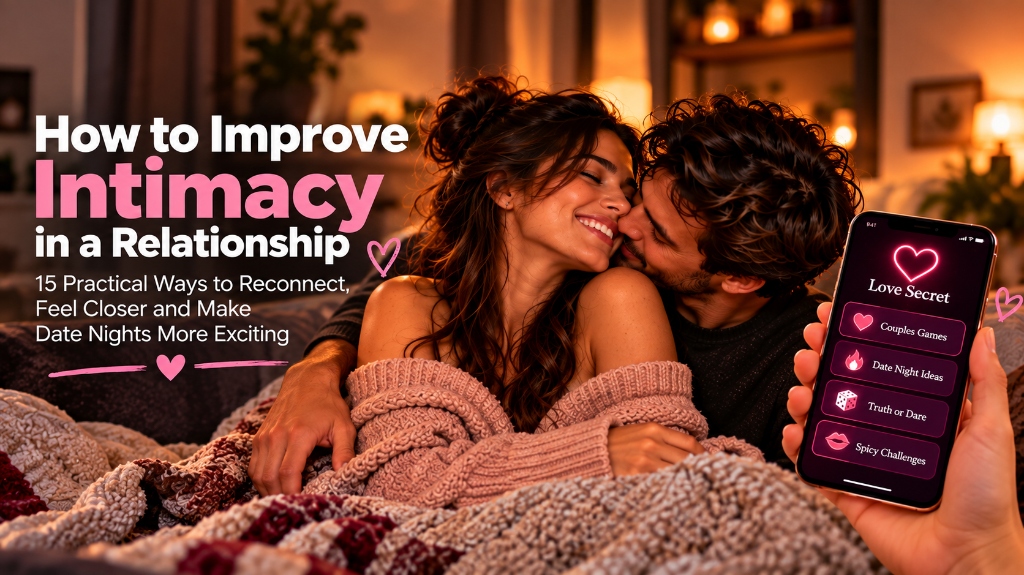
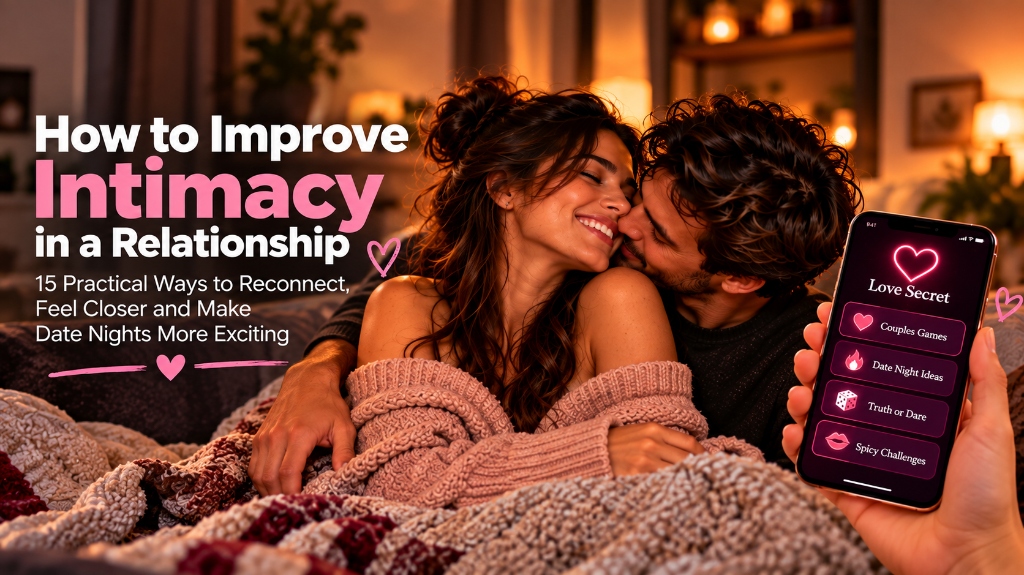
Looking for a wholesome, playful way to rebuild real-world communication and romance? Download Love Secret free on the App Store for 1,000+ intimate conversation cards, romantic dice, and couples challenges.
A Roadmap to Healing: 8 Practical Steps to Rebuild Connection
Recognizing an intimacy disconnect is not a death sentence for a marriage—it is an invitation to rebuild on stronger, more honest foundations. Couples who intentionally replace digital escapism with authentic connection often discover a level of closeness they never experienced before:
Action Step: Shame drives secrecy, whereas empathy encourages transparency. Have an honest conversation outside the bedroom. Instead of saying, "You don't find me attractive," try: "I miss feeling close to you, and I want us to rebuild our romantic life together."
Why it works: Creates a safe psychological space where both partners can be honest without fear of immediate explosive retaliation.
Action Step: If secrecy has broken trust, the user must listen attentively to their spouse's pain without offering excuses, minimizing the issue, or shifting blame.
Why it works: Healing cannot begin until the wounded partner feels that their grief, feelings of rejection, and broken trust have been fully validated and heard.
Action Step: Commit together to a 30- to 60-day break from digital adult media and non-essential late-night screen time. Move smartphones and laptops outside the bedroom overnight.
Why it works: Neurobiological studies show that the brain's dopamine receptors naturally reset within several weeks, restoring sensitivity and appreciation for real-world touch and affection.
Action Step: Spend 2 to 3 weeks prioritizing physical touch that has no expectation of physical escalation—such as holding hands while walking, lingering 20-second hugs, and gentle shoulder or foot massages.
Why it works: Takes performance pressure off both partners, allowing touch to feel safe, comforting, and restorative once again.

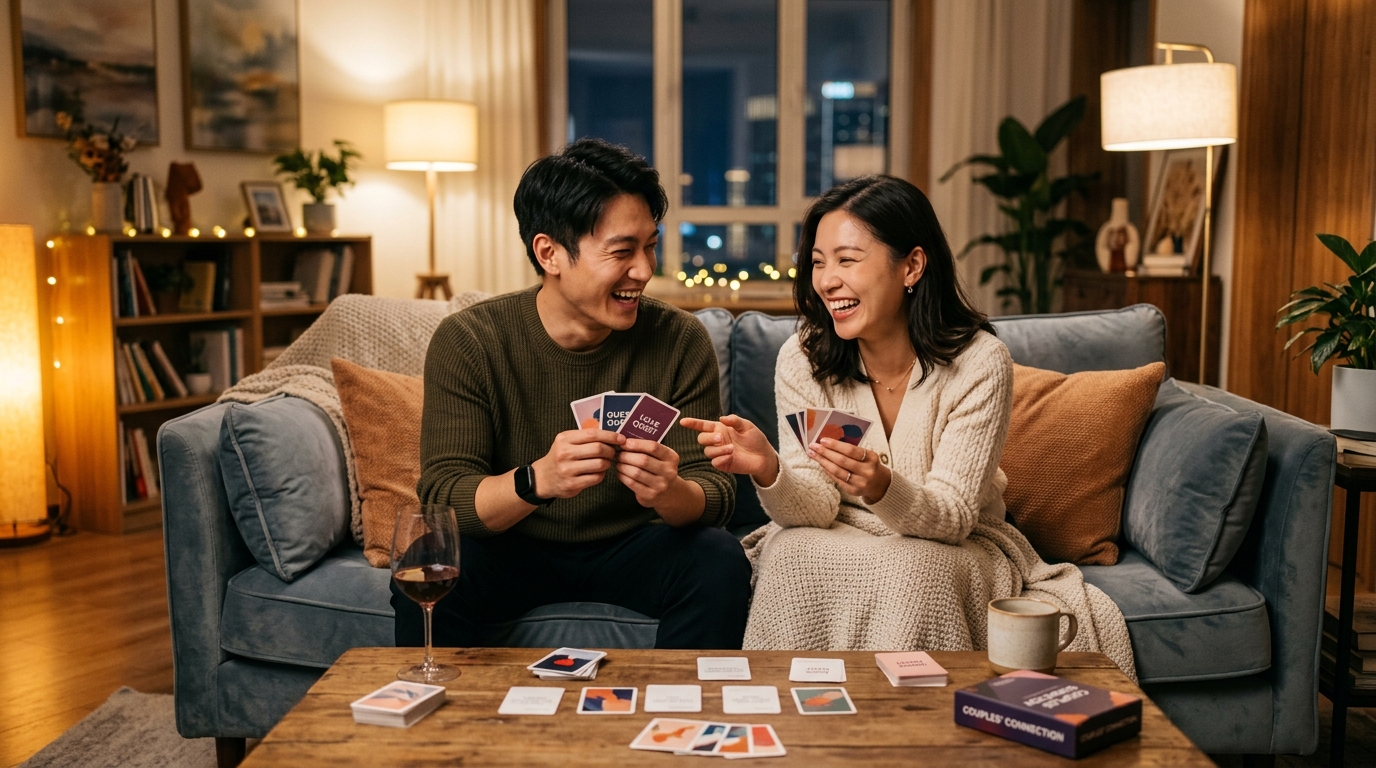
Action Step: Use structured conversation tools like Love Secret to ask open-ended questions about childhood memories, life dreams, secret wishes, and relationship appreciation.
Why it works: Gamification removes awkwardness and provides safe, structured prompts that spark laughter, curiosity, and authentic emotional intimacy.
Action Step: Dedicate one evening each week entirely to each other. Step away from work, leave domestic chores behind, and explore a new activity, cook an unfamiliar meal, or take an evening walk.
Why it works: Novel shared experiences stimulate dopamine and oxytocin, helping partners associate excitement and adventure with each other rather than private screens.
Action Step: When ready, talk openly about what genuine pleasure looks like for both of you. Explore pace, ambiance, words of affirmation, and gentle fantasies collaboratively.
Why it works: Reclaims the bedroom as a shared creative sanctuary tailored specifically to your unique chemistry, rather than an imitation of commercial scripts.
Action Step: Acknowledge small victories along the way: a meaningful conversation, an affectionate laugh, or an evening spent cuddled together without screens.
Why it works: Rebuilding deep emotional and physical intimacy is a gradual marathon. Consistent compassion and mutual commitment yield lifelong dividends.
How the Love Secret App Helps Couples Reconnect
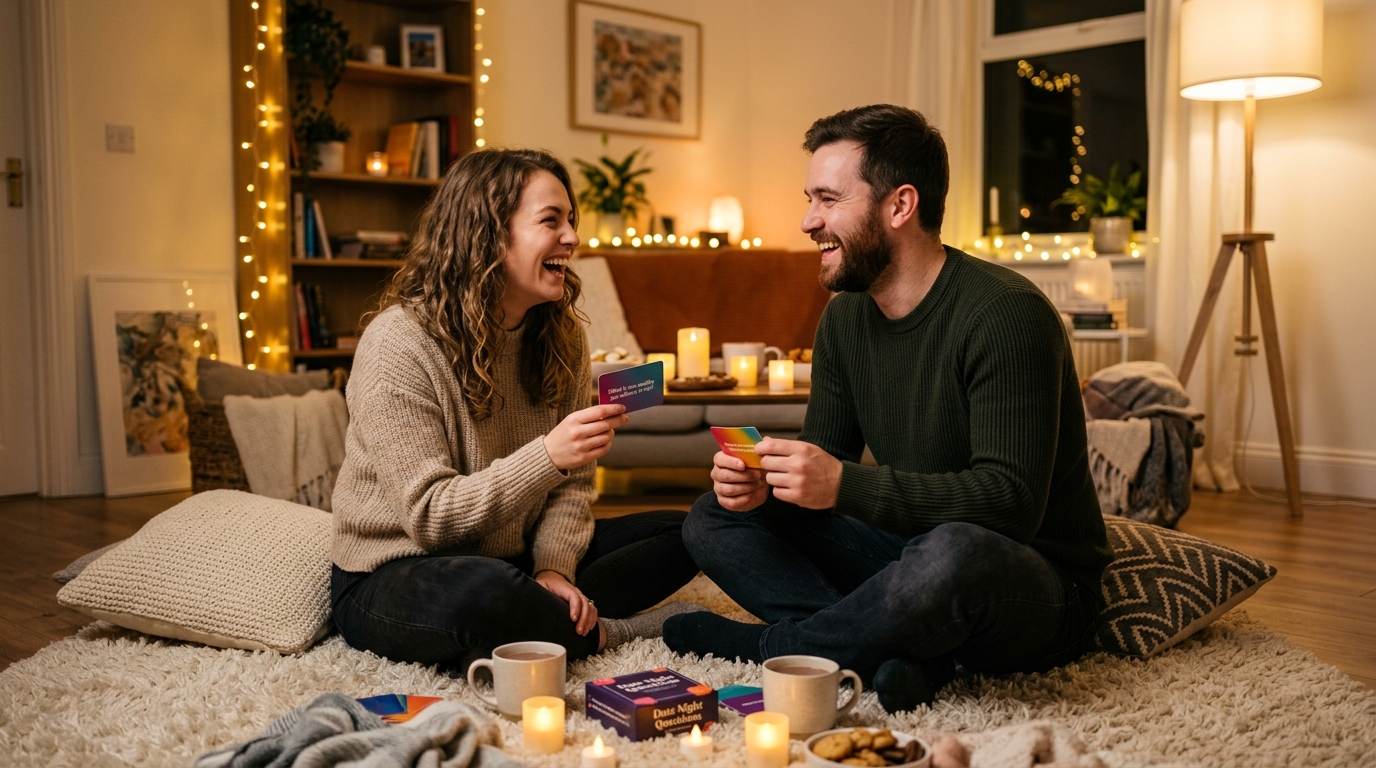
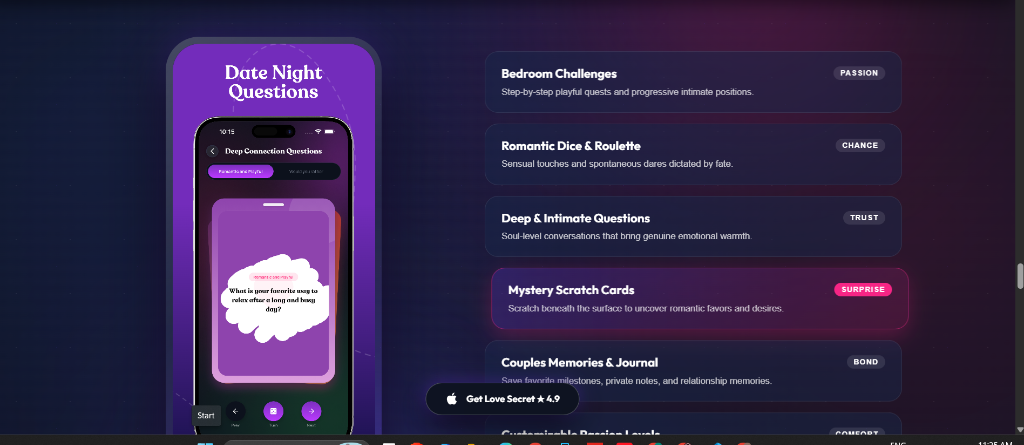
For many couples navigating an intimacy disconnect, the biggest hurdle is knowing how to break the silence and start having fun together again. Love Secret was developed to give partners a safe, pressure-free bridge back to playfulness and romance:
- 1,000+ Curated Conversation Prompts: Gentle, deep, and flirty questions that guide couples away from everyday logistics and back into meaningful emotional dialogue.
- Romantic Dice & Roulette: Randomizes affectionate touches, massages, and playful actions, making physical closeness spontaneous and fun rather than stressful.
- Mystery Scratch Cards: Gamified date-night challenges hidden under digital scratch layers that build joyful anticipation.
- 100% Consensual & Pressure-Free: Built on mutual comfort, allowing partners to skip cards anytime and explore connection entirely at their own pace.
Begin Reconnecting Tonight with Love Secret
Turn screens into a bridge for connection instead of a barrier. Download Love Secret free on the App Store to unlock romantic questions, dares, and intimacy games designed for couples.
Frequently Asked Questions (FAQ)
Can a marriage recover after pornography has caused an intimacy breakdown?
Yes, absolutely. With honest communication, emotional accountability, a willingness to reset digital habits, and dedicated intentional time together, many couples rebuild a far deeper and more authentic intimacy than they had previously.
Why does pornography use make partners feel rejected or inadequate?
Because sexual desire is deeply intertwined with emotional validation. When a partner discovers secret consumption, their brain interprets it as emotional withdrawal or an unfavorable comparison, triggering feelings of betrayal and inadequacy.
How long does it take for the brain to reset from digital desensitization?
Neurobiological studies indicate that significant dopamine receptor reset and renewed sensitivity to real-world intimacy typically occur within 30 to 90 days of abstaining from hyper-stimulating digital adult media.
How can couples talk about pornography without starting a fight?
Choose a neutral, calm time outside the bedroom. Focus on "I" statements emphasizing a desire for closeness rather than accusations: "I feel lonely and miss our connection, and I want us to work together to feel close again."
How does the Love Secret app support couples intimacy?
Love Secret replaces solitary screen time with shared interactive fun. It provides hundreds of curated question decks, romantic dice, and intimacy challenges that make conversation and physical affection low-pressure and exciting.
Download Our Games for Couples Connection
Ready to replace digital screens with real romantic spark? Download Love Secret free on the App Store today to explore intimate couples games, romantic dice, and deep conversation decks.
Want to Play These Questions Tonight?
Love Secret features hundreds of deep conversation cards, randomized dice, and scratch-off challenges designed for every couple.